為什麼我再也感覺不到快樂?從精神醫師角度理解「失去快樂的感覺」


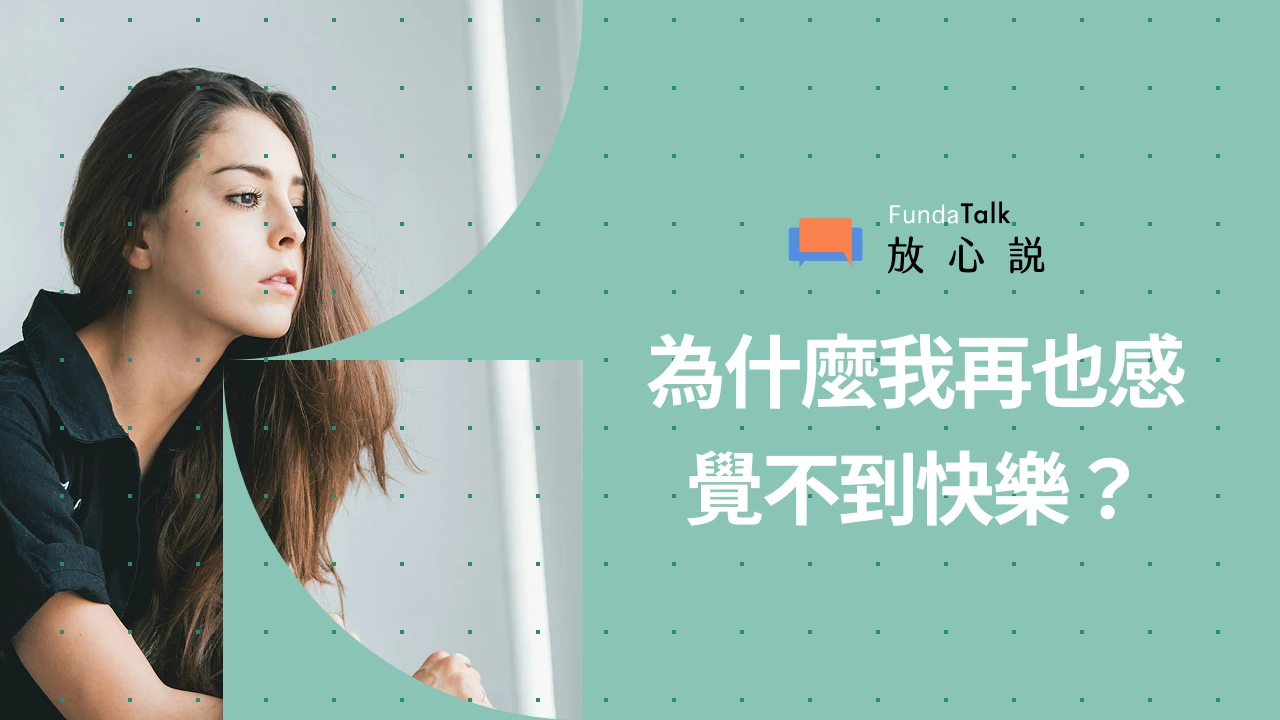
(Photo by David Suarez on Unsplash)
小玲(化名),38 歲,在外商公司擔任主管。她來就診時說,最近這兩個月以來,她覺得生活就像一部「開了靜音的電影」。
她仍然照常工作、陪小孩、跟朋友聚餐,但那些笑容都像戴著面具。她知道自己「應該要快樂」,心中卻沒有任何感覺。經過醫師的專業評估後,她被診斷出罹患憂鬱症和快樂感缺失 (Anhedonia)。
經過數週的治療後,她第一次跟我說:「醫師,我昨天晚上在和家人吃飯的時候,突然開始有一些不一樣的感受了。」

什麼是快樂感缺失?這只是「感覺不到快樂」而已嗎?
你也有過這樣的經驗嗎? 這種「快樂不見了」的狀態,在精神醫學領域裡有個專有名詞,叫做快樂感缺失(Anhedonia)。精神醫學上的定義是:對於原本能帶來愉悅或滿足的活動,逐漸失去興趣,或無法產生快樂感的狀況。
這種狀態往往伴隨著以下症狀,包括:
動機降低
社交退縮
對未來沒有期待
覺得生活失去意義
臨床上,快樂感缺失可再細分為兩種類型:
第一種是 動機缺失(anticipatory anhedonia),指在事情發生之前就提不起興趣,對未來沒有期待。這並非懶惰或個性問題,而是大腦多巴胺獎賞迴路功能下降所致,使人即使知道某件事重要,仍缺乏行動的動力。
- 第二種是 快樂感缺失本身(consummatory anhedonia),指事情正在發生時,明明知道自己應該開心,但心裡卻毫無感覺。
為什麼會失去快樂的感覺?
快樂感缺失通常涉及大腦獎賞系統的功能異常,可能與身心症狀有關,導致個案無法感受到正向情緒,相關疾病包括:
憂鬱症:快樂感缺失是憂鬱症診斷的核心依據之一。
思覺失調症:快樂感缺失在思覺失調症的症狀中,屬於常見的「陰性症狀」之一,患者對原本能帶來愉悅的事物失去興趣,或難以產生情緒反應。
慢性壓力或疲勞:慢性壓力、過勞,也可能短暫減弱大腦獎勵系統。
多巴胺缺乏:多巴胺水平下降被認為是快樂感缺失的重要潛在因素。
快樂感缺失與「心情不好」的差別在於:心情不好的人在某些情境下仍可能被逗笑,而快樂感缺失的人,即使身處最歡樂的場合,大腦卻依舊毫無反應。
一直覺得快樂不起來,該怎麼辦?
快樂感缺失是一種大腦功能暫時失衡的狀態,與意志力或努力沒有直接關聯。若這些症狀只是持續幾天,可能是因壓力或疲勞所造成的短暫反應,但此情形若已持續數週以上,建議盡快尋求專業協助。
快樂感缺失的治療方式
在臨床治療中,治療快樂感缺失 (Anhedonia) 主要可分為藥物治療和非藥物治療(心理治療、rTMS經顱磁刺激、tPBM經顱光生物調節)。
治療過程,一般建議透過藥物及非藥物兩種方式並行,較能有效改善快樂感缺失的症狀。以下為治療方式的說明:
藥物治療:快樂感缺失的藥物治療,以抗憂鬱劑或影響多巴胺、血清素的藥物為主,幫助調節大腦神經傳導系統,恢復情緒與動機的平衡。
- 心理治療:包含認知行為治療、行為活化療法、正念認知治療等,協助患者重新建立對活動的興趣與回饋感。研究顯示,認知行為治療(Cognitive Behavioral Therapy, CBT)在短期急性期治療中,能協助改善快樂感缺失相關症狀[2]。
重複經顱磁刺激(Repetitive Transcranial Magnetic Stimulation, rTMS):重複經顱磁刺激是一種腦部治療技術,透過特定頻率的磁脈衝刺激大腦皮層,以調節神經元的活性,以達到改善情緒與動力的效果。研究指出,當行為活化療法結合重複經顱磁刺激治療時,能顯著增強 rTMS 對快樂感缺失(anhedonia)的療效。[3]。
*補充:行為活化療法是一種心理治療方法,透過設定具體、可達成的小目標,逐步增加日常活動與社交參與,進而促進正向情緒與動機。- 經顱光生物調節(Photobiomodulation Therapy, tPBM):tPBM是透過特定波長的近紅外光照射頭部,使光穿透頭骨,並刺激腦部神經細胞活性,是一種安全非侵入的大腦治療。臨床上,tPBM 可應用於多種狀況,包括改善憂鬱與焦慮症狀[4]、延緩認知退化[5]。
除了上述治療之外,調整日常的生活型態也是改善快樂感缺失的要素,如規律運動、作息調整與社交參與,也被證實能促進神經可塑性與多巴胺活性。
結語
失去快樂的感覺,對正在經歷的人來說,是一種深刻的孤寂。它不僅讓人自我懷疑,甚至還懷疑存在的意義,但這並不是沒有解答的困境:醫學研究顯示,透過藥物、心理治療、甚至腦刺激治療(rTMS),都能幫助大腦逐漸恢復對事物的反應。
當你覺得「快樂不見了」,不要忘了這是一個值得被看見的訊號,提醒你需要尋求專業的醫療協助。當你願意理解並正視它的時候,就是有機會找回快樂的第一步。
作者:邱韻芝醫師

主治項目:
憂鬱症、躁鬱症、恐慌症、強迫症、厭食/暴食症、心身症、創傷症候群(門診限看16歲以上,未滿18歲需有監護人陪同 )
學經歷:
- 精神科專科醫師
- 臺北市立聯合醫院松德院區一般精神科總醫師
- 台北醫學大學醫學士
- 國際澄心聚焦學會(TIFI)認證治療師、培訓師
- 台灣生理與神經回饋學會會員
- 身心中軸覺察訓練引導師
- 精神動力取向心理治療訓練
- 心理劇訓練
簡介:
以身心經驗為核心,融合神經科學觀點、身心中軸覺察訓練、澄心法的內在關係連結、精神動力的人際觀點和心理劇的體驗性方法,促進身心整體的自我調節和關係調節。
延伸閱讀
囤積症與物品依戀:測試、原因、如何解決?
厭食症的前兆、成因、自我測試、治療與一次看
腦袋停不下來,一直睡不著怎麼辦?失眠的症狀、自我檢測、助眠食物、非藥物治療一次看
國高中生不想上學怎麼辦?青春期拒學原因、陪伴方式一次看
參考文獻
- Der-Avakian, A., & Markou, A. (2012). The neurobiology of anhedonia and other reward-related deficits. Trends in Neurosciences, 35(1), 68–77. https://doi.org/10.1016/j.tins.2011.11.005
- Batool Alsayednasser, E., Widnall, E., O'Mahen, H., Wright, K., Warren, F. C., Ladwa, A., Khazanov, G. K., Byford, S., Kuyken, W., Watkins, E., Ekers, D., Reed, N., Fletcher, E., McMillian, D., Farrand, P., Richards, D., & Barnes, C. (2022). How well do Cognitive Behavioural Therapy and Behavioural Activation for depression repair anhedonia? A secondary analysis of the COBRA randomised controlled trial. Behaviour Research and Therapy, 157, 104185. https://doi.org/10.1016/j.brat.2022.104185
- Russo, G. B., Tirrell, E., Busch, A., & Carpenter, L. L. (2018). Behavioral activation therapy during transcranial magnetic stimulation for major depressive disorder. Journal of Affective Disorders, 236, 101–104. https://doi.org/10.1016/j.jad.2018.04.108
- Ji, Q., Yan, S., Ding, J., Zeng, X., Liu, Z., Zhou, T., Wu, Z., Wei, W., Li, H., Liu, S., & Ai, S. (2024). Photobiomodulation improves depression symptoms: a systematic review and meta-analysis of randomized controlled trials. Frontiers in Psychiatry, 14, Article 1267415. 10.3389/fpsyt.2023.1267415
- Zeng, J., Wang, C., Chai, Y., Lei, D., & Wang, Q. (2024). Can transcranial photobiomodulation improve cognitive function in TBI patients? A systematic review. Frontiers in Psychology, 15, Article 1378570. https://doi.org/10.3389/fpsyg.2024.1378570
閱讀其他文章
 )
) )
) )
)