What Is PTSD? Introduction to Post-Traumatic Stress Disorder: Symptoms, Treatment Methods, Self-Help Relief Techniques, and Differences from Depression at a Glance


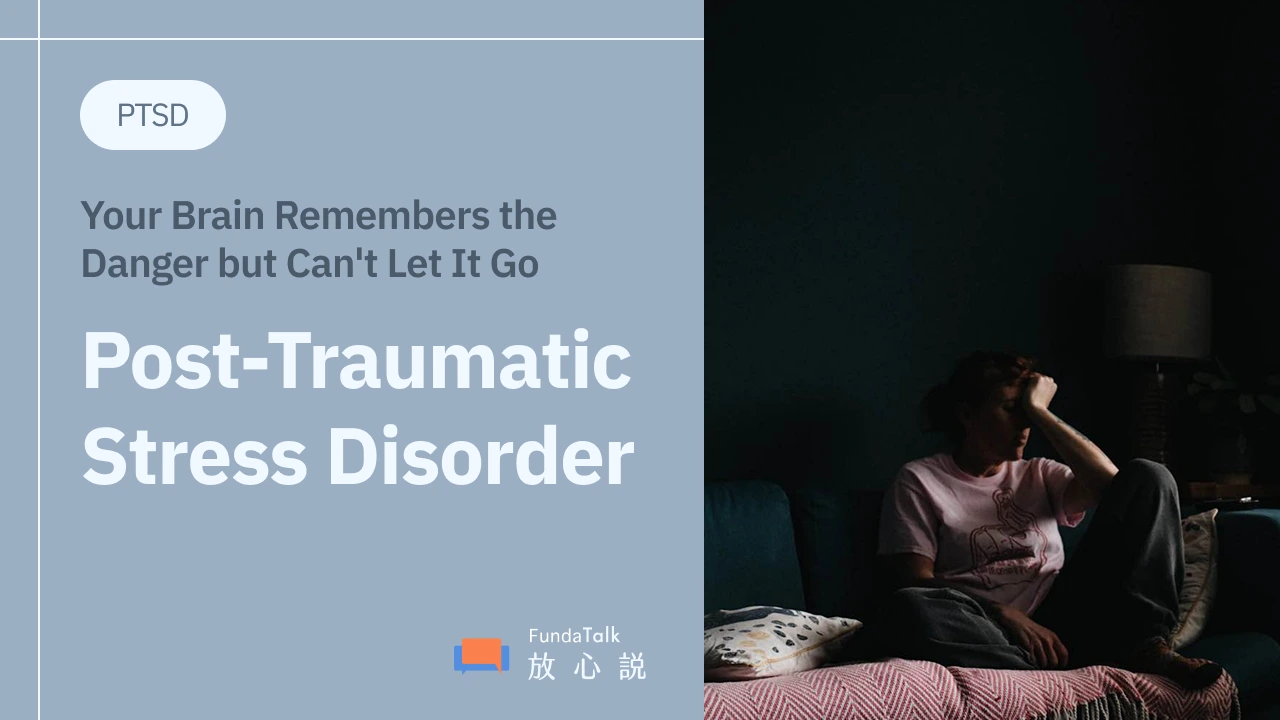
Do you often feel that even though things have passed, your body still remains stuck in the past? Those sudden fears, heart palpitations, or waking up in the middle of the night—many small incidents unconsciously connect back to that original event, making you wonder if you’re overly sensitive, even generating self-blame and frustration?
These may be related to Post-Traumatic Stress Disorder, abbreviated as PTSD.
This is the body’s natural response to remaining in a protective state after experiencing a stressful event. Through appropriate therapeutic intervention, most people can gradually recover.
This article will help you understand:
- The history and social context of PTSD
- What is PTSD?
- The four core symptoms of PTSD
- How is PTSD different from anxiety and depression?
- Long-term effects of PTSD on life and the brain
- Treatment methods for PTSD
The History and Social Context of PTSD: From “Shell Shock” to “Post-Traumatic Stress Disorder”
Humanity has had a considerable history with the concept of “trauma.”
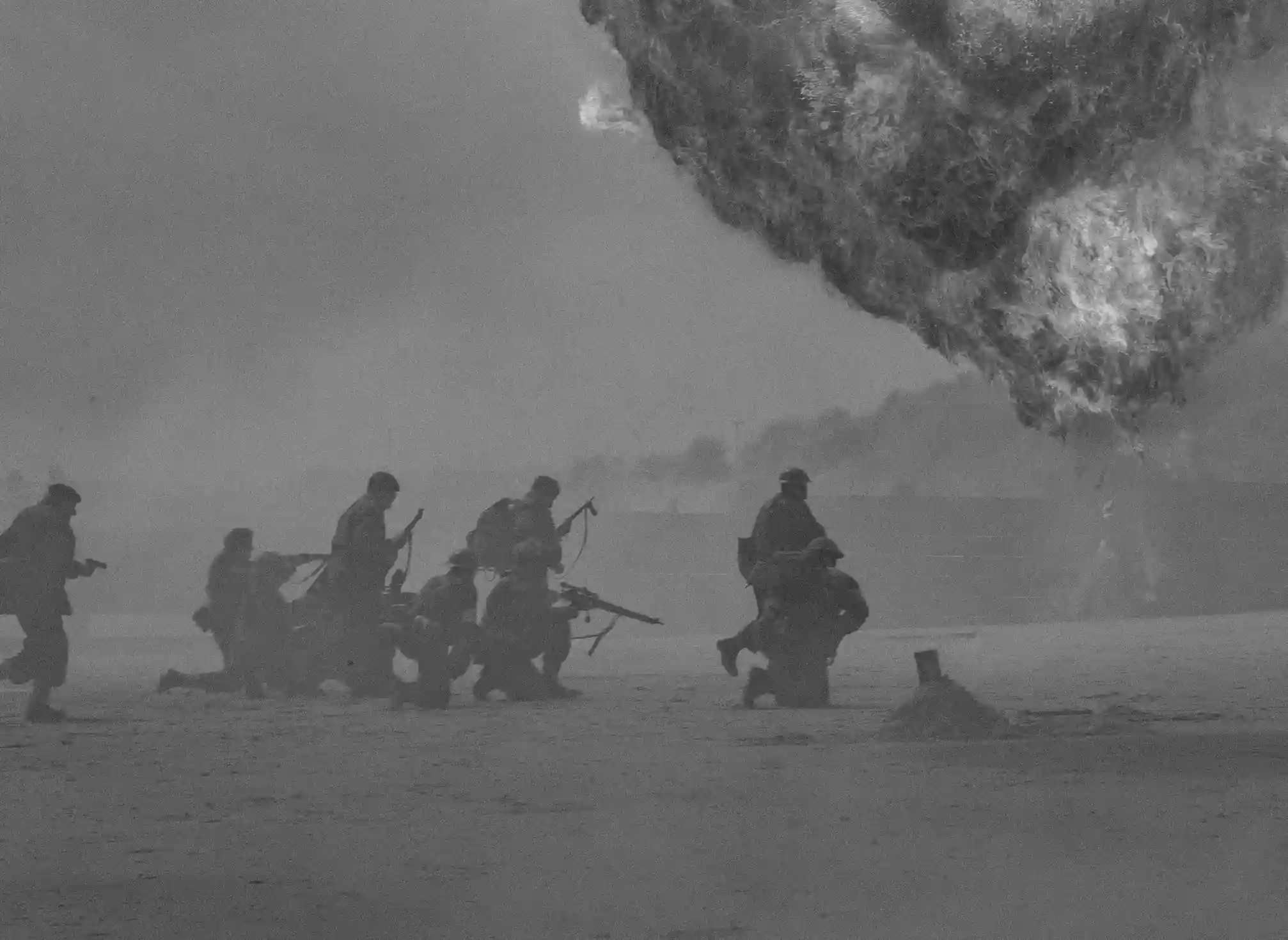
During World War I, some soldiers returning home exhibited symptoms of trembling, insomnia, nightmares, and emotional loss—then called “Shell Shock.”
During World War II, similar phenomena were termed “Combat Fatigue.” Although these terms preliminarily described some clinical manifestations, at the time there was still a lack of systematic understanding of the physiological and psychological mechanisms behind trauma.
After the Vietnam War, many veterans and family members began speaking out, explaining they were long affected by war’s aftereffects.
These soldiers’ symptoms weren’t just low mood but included long-term nightmares and flashbacks that made them feel as if they were back on the battlefield. They often became hypervigilant as a result, unable to relax, particularly sensitive to sounds or crowds. Most painfully, their connections with loved ones seemed forever changed after the war. This suffering led some to choose alcoholism, drug use, even suicidal thoughts, because they couldn’t find an outlet and weren’t understood.
This predicament continued troubling veterans and those around them, prompting more and more people to speak out, pushing the medical community to recognize trauma’s long-term effects.
In 1980, Post-Traumatic Stress Disorder (PTSD) was first included by the American Psychiatric Association in the Diagnostic and Statistical Manual of Mental Disorders, Third Edition (DSM-III), becoming a physical and mental illness requiring diagnosis and treatment.
Extended reading: When Family Members Have Mental Symptoms, What Should You Do? When to Take Them to Mental Health Services? | Family Self-Help Guide + Mental Health Resource Map

What Is PTSD? Your Brain Remembered “Danger” but Can’t Let It Go
So what is PTSD?
Imagine when danger arrives, your body activates a combat mode: heart racing, senses heightened—everything to keep you alive. This mode is very effective; it etches the memory of danger deep into your mind so you can avoid it next time.
However, for individuals with Post-Traumatic Stress Disorder (PTSD), the problem lies here: that danger has passed, but your body and brain haven’t received the “all clear” signal. It’s
like a stuck tape recorder, repeatedly playing the most terrifying moment, making you feel like you’re still on the battlefield even when you’re in a safe place.
The Four Core Symptoms of PTSD
According to clinical observations, PTSD’s core symptoms typically revolve around these four types of deep “body memory”:
Re-experiencing (Trauma Recurrence)
Those sudden memory fragments, nightmares—even just hearing a certain sound or smelling a certain scent—can instantly transport individuals back to the trauma scene, as if everything is replaying.
Avoidance and Numbness (Avoidance Behavior)
To avoid being hurt again, individuals may subconsciously avoid people, things, or situations related to the event, even deliberately forgetting certain details. Sometimes emotions become flat, losing feeling for things once loved, like building a wall in the heart.
Negative Cognition and Emotions
After trauma, negative thoughts about oneself, others, or the world develop, along with emotional changes.
Hyperarousal
The nervous system is like an over-tightened string—easily startled, difficulty sleeping, poor concentration, always feeling in an “alert” state, ready to respond to the next danger. This isn’t just overthinking or psychological fragility but a deep nervous system fatigue and dysregulation.
How Is PTSD Different from Anxiety and Depression?
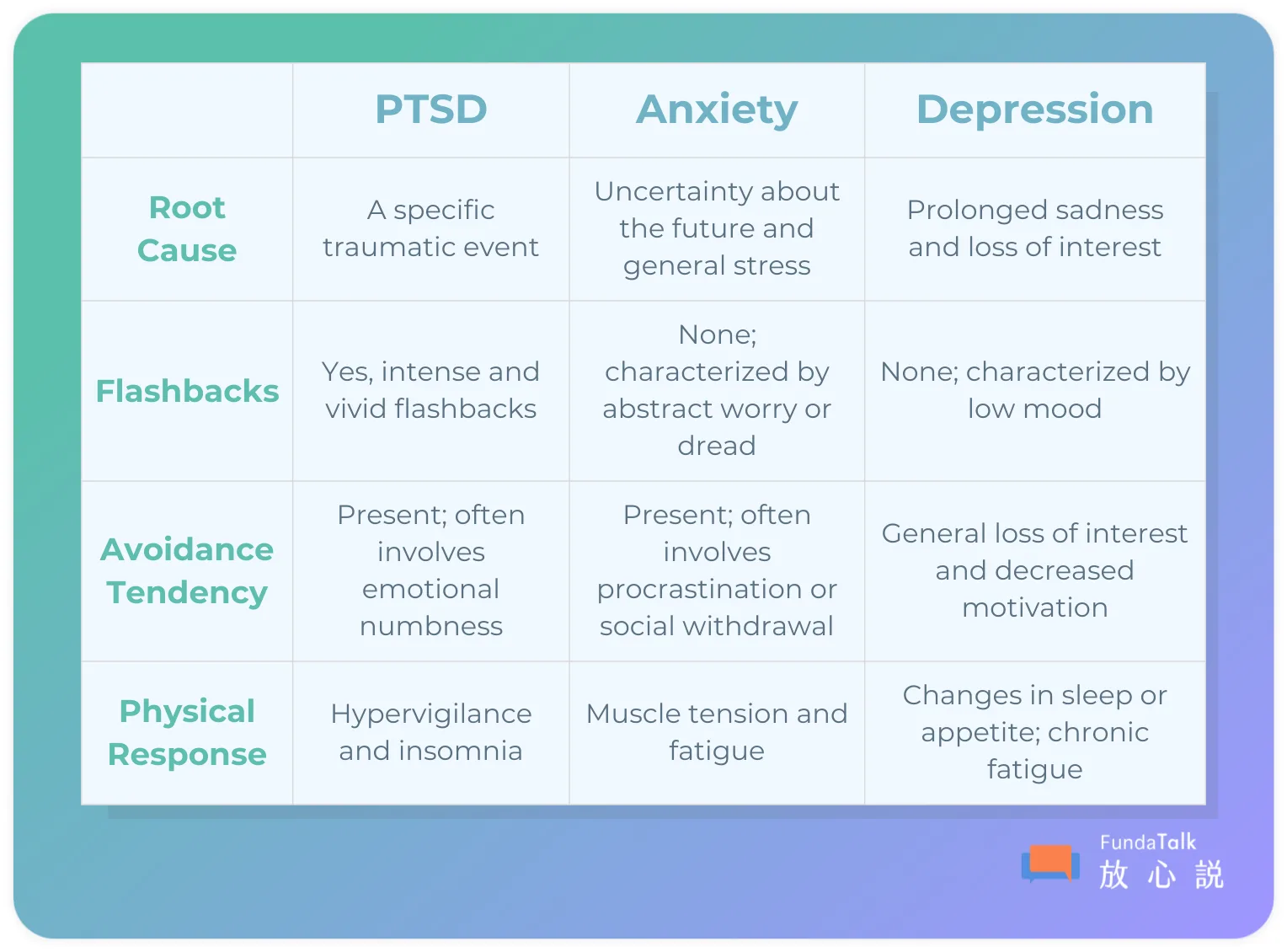
You might wonder: How is PTSD different from general anxiety or depression? They look similar, but PTSD has its own specific causes and characteristics.
General anxiety may stem from uncertainty about the future or responses to stress; depression is like a lingering cloud, causing loss of interest in everything. But PTSD is different—its cause is a “specific and intense” past event. Your body replays like a movie, repeatedly experiencing that traumatic moment.
Extended reading: What’s the Difference Between Mild, Moderate, and Severe Depression? Severity Levels, Symptoms, and Treatment Options at a Glance
Long-Term Effects of PTSD on Life
If left untreated, PTSD may gradually affect various aspects of life:
- Long-term sleep disorders and chronic fatigue, leaving you constantly exhausted
- Decreased memory and emotional regulation ability, making you feel unlike yourself
- Social withdrawal and interpersonal alienation, making you feel lonely, struggling to connect with others
- High probability of comorbid depression, substance abuse, even self-harm tendencies, because the pain is too overwhelming
- This isn’t you being broken—it’s your brain continuously protecting you. It just hasn’t learned that it’s relatively safer now.
What to Do About PTSD? Treatment Methods at a Glance
Can PTSD be improved? The answer is yes. There are many professional approaches that can help you gradually regain stability and peace.
1. Cognitive Behavioral Therapy (CBT)
Helps you identify and rewrite thought patterns distorted by trauma, learning to distinguish “danger then” from “safety now,” gradually rebuilding trust in the world.
2. EMDR (Eye Movement Desensitization and Reprocessing)
Through guided eye movements synchronized with trauma memory processing, scientifically helps the brain reprocess those “stuck” memories, allowing emotional reactions to gradually cool down and become less intense.
3. Medication Treatment
Such as SSRI antidepressants, which under professional psychiatrist evaluation can help regulate emotional systems, stabilize sleep, giving you sufficient energy and stability to undergo psychotherapy.
4. Group Therapy and Narrative Therapy
In safe environments, through listening to others’ stories, finding resonance, and reclaiming your own version, you’ll discover you’re not the only one facing all this—which itself is tremendous support.

Daily Self-Help Suggestions: Five Things You Can Try Starting Today
Trauma recovery isn’t instantaneous. We can give ourselves time to heal, trying to start with some concrete and feasible daily practices, creating a safer internal space for ourselves:
Build a “Trigger Journal”
Record times, places, triggering events, bodily sensations, and thoughts during emotional fluctuations. This isn’t to recall pain but to help you understand nervous system patterns, finding regularity in when the “alarm” sounds.
Three-Sense Grounding Practice
When feeling about to lose control, stop, take a deep breath, then observe the present: see three things, hear two sounds, touch one texture. This simple practice can let the brain know “I’m still here, it’s safe now,” pulling you back from past memories to reality.
Reduce Stimulating Information Intake
Reduce exposure to overly stimulating information, such as news, negative social media content, thriller videos. Give the brain an environment to practice feeling safe, allowing it a chance to breathe.
Establish Daily Rituals
Each morning give yourself a glass of warm water, three minutes of deep breathing, or a simple stretch. Not for any efficiency or goal, just so the nervous system can stably start a new day, establishing predictable safety.
Write a Letter to Your Past Self
Not to recall details but to re-express understanding and respect to the you who made it through. Tell them: “You did well, I know all your efforts along the way, now I’ll accompany you moving forward.”
Conclusion: A Message to Readers
Post-Traumatic Stress Disorder (PTSD) is not a permanent label—it’s a signal showing that the mind and body have experienced significant stressful events and now need appropriate understanding and care to help restore stability.
Recovery is a gradual process of adjustment and reconstruction. Through continuous practice and professional support, most people can gradually build more stable connections with themselves, redefining their life experiences.
Extended Reading
Acute Stress Disorder (ASD) Symptoms, Causes, and Differences from PTSD
Racing Heart, Can’t Breathe, Suddenly Short of Breath? | Understanding Panic Disorder: Symptoms, Self-Assessment, Effective Relief Techniques
Author: Dr. Yun-Chih Chiu

Treatment Areas:
Depression, bipolar disorder, panic disorder, obsessive-compulsive disorder, anorexia/bulimia, psychosomatic disorders, trauma syndrome (outpatient care limited to ages 16 and above; those under 18 require guardian accompaniment)
👉 Click here to schedule an appointment with Dr. Yun-Chih Chiu for online consultation
More Articles
 )
) )
) )
)