When a Family Member Has Mental Illness, What Should You Do? When to Take Them to Mental Health Services? | Family Self-Help Guide + Mental Health Resource Map


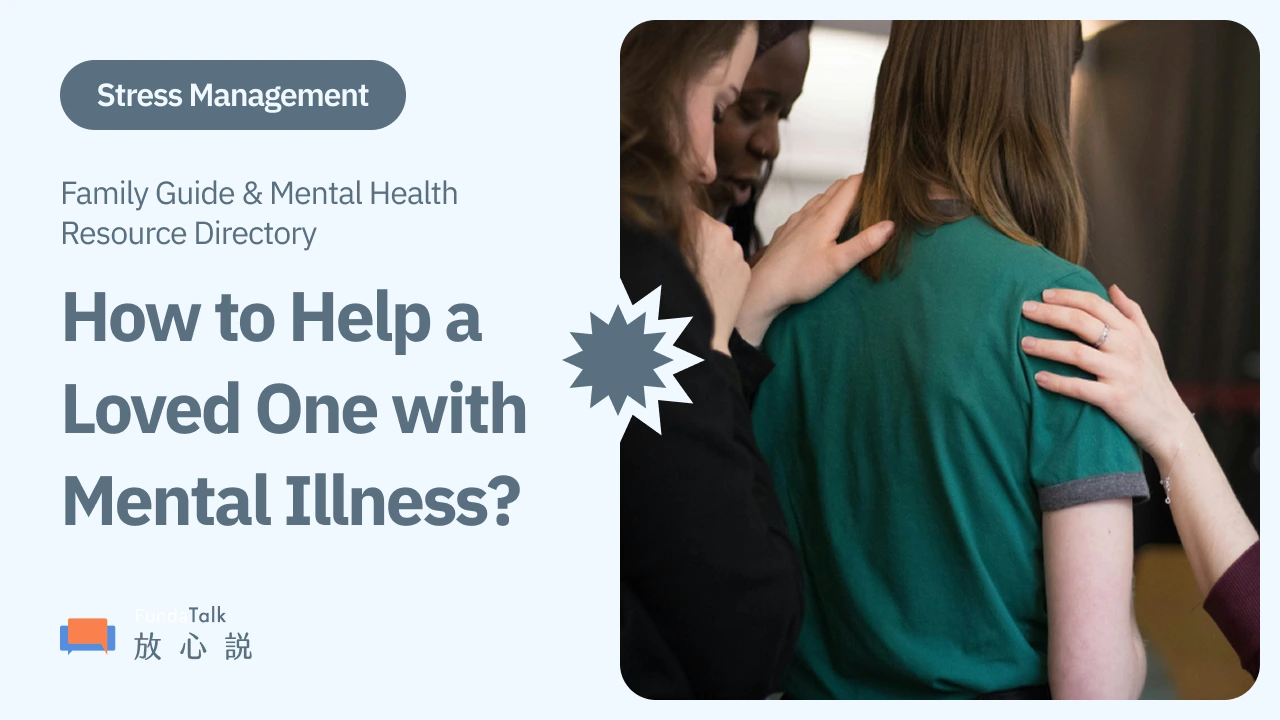
When a family member shows psychological or behavioral changes but refuses to see a doctor, you may feel worried, anxious, or even at a loss. These feelings are completely normal—watching someone we love deeply going through difficulties, we all want to help them.
This article hopes to provide you with some direction and support resources.

1. How to Recognize When a Family Member May Have Mental Illness?
When a family member’s psychological condition becomes problematic, the following signs deserve special attention:
Emotional Changes: Family members may become unusually irritable, emotionally low, or display extreme excitement. These mood swings may accompany withdrawal from social activities, gradually retreating into self-isolation.
Perceptual or Cognitive Abnormalities: If family members start describing phenomena that you or others cannot perceive—for example, hearing voices others can’t hear or constantly feeling others are harming them—this may indicate they’ve fallen into delusional or hallucinatory symptoms.
Deterioration of Daily Functioning: When family members show obvious difficulties with personal hygiene habits, work or academic performance, or even cannot go out as usual, these warrant attention.
If the above situations have persisted for several weeks and significantly affect quality of life, professional assessment should be arranged as soon as possible. Remember, early intervention often brings better outcomes.

2. Accompanying Family Members to Mental Health Services
After understanding that family members may need assistance, the next step is how to accompany them in seeking professional support.
This process may not go smoothly—you may even experience denial, resistance, or cold treatment. But your understanding and patience will be their greatest support in taking that first step.
What If Family Members With Mental Illness Won’t Seek Treatment? How to Persuade?
Most people feel hesitant or even refuse medical treatment when hearing the suggestion “go see a psychiatrist/mental health specialist.” This is a very natural reaction—no one likes being labeled or facing the fear of being treated as a patient.
When facing family members who may refuse to seek care, being gentle yet firm, persistent yet not giving up becomes relatively important.
It’s recommended to select 1-2 symptoms as entry points, then based on your family member’s personality, communicate in ways they’re more likely to accept.
For example: “I’ve noticed you haven’t been sleeping well lately, you seem really tired and struggling. How about we find a doctor to help improve your sleep?”
This approach, compared to directly mentioning illness, makes it easier for individuals to accept help—who doesn’t want to sleep better?
If family members still firmly refuse medical treatment, family members can consider making an appointment themselves first, honestly telling the doctor about observed symptoms and behaviors. The doctor can preliminarily assess whether mental illness is possible and discuss feasible strategies with you.
If needed, family members can also proactively apply for medical institution staff to visit home and assess the ill family member’s condition. If criteria for home treatment are met, subsequent treatment can continue, such as home visits, medication management, and family consultation. The advantage is allowing family members to begin receiving care in familiar, safe environments, reducing their resistance.
Before the Appointment: How Do I Choose a Medical Institution?
Before starting medical care, one of the most common questions is: “Which hospital should I go to? Should I see mental health services or psychiatry?” Actually, both are roughly the same in Taiwan’s medical system—either choice works. The key is choosing the most suitable institution for you and your family member. Consider these two directions:
First, Convenience and Continuity Are Most Important
Choosing medical institutions close to home with convenient transportation not only makes family members more willing to cooperate in going but also increases the likelihood of long-term continued visits. Treatment is rarely solved in one visit—doctors need time to gradually build understanding of the condition and adjust treatment strategies. Frequently changing doctors often interrupts this accumulation process and is also detrimental to family members’ stability. Like fitness, sustainable choices are the best choices.
Second, Consider Resource Needs
If family members simultaneously have physical illnesses or are expected to need more assistance resources (such as consulting social workers, arranging rehabilitation or day care), priority can be given to medical centers or large hospitals with richer resources. For example, Taipei City Hospital Songde Branch’s “Early Intervention Program for Psychotic Disorders” includes psychotherapy, social work services, family meetings, life skills training, and other support. These interdisciplinary resources make it easier for family members to obtain comprehensive care assistance.
Simply put, there’s no “best hospital,” only “the most suitable place for you.” Stable support comes from sustainable companionship and cooperation.
During the Appointment: How Can Family Members Help?
When family members accompany medical visits, they can prepare a small note in advance, listing summaries of the family member’s recent routines, emotions, language, and behavioral changes, and submit it to the doctor for reference before the appointment. Avoid directly discussing family members’ negative behaviors in the consultation room to prevent conflict. During the appointment, let family members talk with the doctor themselves—even if they make mistakes, there’s no need to rush to help correct or supplement, as the conversation process itself is part of the assessment.
After the Appointment: Facing Difficulties with Family Members Not Taking Medication
Family members being unwilling to take medication is a common difficulty. Reasons may include: worrying about side effects, not believing they need medication (lack of illness insight), or feeling taking medication means they “have a problem.”
At this time, if others use accusatory or commanding attitudes, it may cause conflict. You can discuss with the doctor trying long-acting injections or adjusting dosage and medication to let family members feel they can control some autonomy, reducing resistance.
We know consistently encouraging family members to take medication is truly exhausting, but the caregiver’s persistence and positive attitude is profoundly meaningful. What’s important is letting family members continuously feel “taking medication can also be a good thing.” When family members feel quality of life improves after taking medication and relatives and friends are more supportive and encouraging, gradually establishing this positive cycle increases family members’ medication compliance and makes treatment smoother.

3. What to Do in Emergency Situations?
When facing the following extreme situations, the most important principle is: protect safety, avoid escalation, seek support.
1. When Family Members Throw Things or Have Angry Outbursts:
This is often the result of delusions, auditory or visual hallucinations, or emotional loss of control. Rather than scolding “don’t imagine things” or forcing medication, try understanding their inner state. This dialogue approach better helps ease emotions: “Did you just hear some sounds?” “Are you feeling very uneasy?” “What do you feel is happening?”
Creating an atmosphere where family members dare to speak, letting them know you’re listening rather than denying, is key to easing emotions.
2. If the Situation Escalates—Family Members Continue Intense Behavior, Even Showing Self-Harm or Attacking Others Tendencies:
Please ensure the safety of yourself and other family members first. Such behavior may come from hallucinations, delusions, or severe emotional loss of control—the ill family member may no longer be able to rationally understand your words.
Response methods at this time include:
Avoid confrontation, use gentle methods to redirect attention: Lower your tone, keep conversations brief, guide them to focus on other things.
Immediately evacuate and call police: If the situation spirals out of control, family members should decisively leave the scene and call emergency services for help, initiating emergency medical transport.
This approach isn’t abandoning or betraying the ill family member—it’s a necessary measure to protect everyone (including the ill family member).
3. For Family Members Who Have Shown Symptoms But Don’t Meet Mandatory Treatment Standards and Have Never Sought or Refuse Treatment
Family members can still proactively contact the local mental health center, clearly explaining the ill family member’s behavioral changes and suspected mental illness symptoms, requesting public health personnel to send assistance. This is how many families take their first step and can prevent situations from worsening at critical moments.
If you’re still unsure what exactly to do, family members can also first contact the Psychiatric Emergency Treatment Online Consultation Hotline (049-2551010) for consultation.
4. Ongoing Care and Rehabilitation Resources
After family members pass through the acute phase, continued rehabilitation and support will help them gradually return to normal life. This is a gradual process requiring patience and appropriate resource coordination. Starting from medical rehabilitation, community reconstruction to caregiver support resources, we’ll help family members find appropriate help and support at every stage “after discharge.”
Medical Rehabilitation Options
The acute phase of mental illness typically involves dramatic emotional changes, delusions, or behavioral loss of control—family members may need short-term hospitalization or intensive treatment. Once symptoms stabilize and discharge occurs, recovery isn’t complete—“medical rehabilitation” at this stage becomes especially important.
Ill family members at this stage often still experience impaired cognition, emotional regulation, and interpersonal interaction functions. Systematic ongoing rehabilitation arrangements can greatly increase the possibility of returning to life. Common medical rehabilitation options include:
Chronic Inpatient Wards (Psychiatric Hospitals): Suitable for ill family members with stable conditions but not yet ready to return home, providing long-term care and rehabilitation plans.
Day Hospitals: Ill family members stay for treatment during the day and return home at night, helping stabilize conditions while gradually adapting to family life.
Home Treatment: Medical teams (psychiatrists, nurses, social workers, etc.) regularly visit homes, assisting with medication, health education, and condition tracking.
Day Psychiatric Rehabilitation Facilities: Such as community rehabilitation centers and workshops, through group therapy, life skills training, and employment preparation courses, help ill family members rebuild self-function.
Psychiatric Nursing Homes: Provide residential and rehabilitation spaces for ill family members needing medium to long-term care but not meeting hospitalization criteria.
If family members cannot provide stable care due to work or health factors, professional institutions can temporarily assume caregiving responsibilities. These arrangements not only reduce family caregiving burdens but also allow family members to receive more consistent therapeutic support.
Community Rehabilitation and Social Reintegration
When family members’ conditions remain stable with a certain degree of self-care ability, they shouldn’t remain only in medical settings but should further consider how to “live again.” The focus at this stage shifts to community rehabilitation and social reconstruction, including these directions:
Community Rehabilitation Centers: Provide vocational training, social skills training, physical activities, etc., helping ill family members adapt to life rhythms.
Vocational Rehabilitation Centers: Such as sheltered workshops and supported employment units, arrange for ill family members to gradually return to the workplace step by step, cultivating confidence and ability for stable work.
Halfway Houses (Residential Psychiatric Rehabilitation Facilities): Provide group living training and community integration activities, suitable for those not yet ready for independent living.
Clubhouse Model for People with Mental Illness: Such as True Blessings House, Sunward Clubhouse, Xinglong Clubhouse, Constellation Clubhouse, etc., emphasize member autonomy, mutual assistance, and daily function building—a deinstitutionalized, community coexistence rehabilitation approach. Clubhouses in your area can be found through the Department of Mental Health or local health bureaus.
These services emphasize that “ill family members aren’t just patients” but capable, potential members of society who just need a supported period of time and space to gradually regain life rhythms.
5. Family Support Resources
When someone in the family suffers from mental illness, besides the patient themselves enduring pain, family members often fall into emotional states of stress, anxiety, and loneliness. If such emotional distress accumulates long-term, it may gradually erode family members’ physical and mental health. It’s worth noting that stable caregiving ability comes from caregivers themselves having stable support systems. Below we’ll introduce several types of practical support resources to help family members not feel alone on the long caregiving journey.
Emotional Support Hotlines
When you feel you can’t hold on, or just want someone to listen, these emotional support and crisis intervention hotlines can become immediate outlets:
[24-Hour Emergency Support]
1925 Peace of Mind Hotline (Still Love Me) - 24 hours free
1995 Lifeline - 24-hour service
[Daytime Consultation Services]
Mental Illness Caregiver Hotline: 02-2230-8830
Monday-Friday 13:30-20:30 (designed specifically for caregivers)
Family Caregiver Consultation Hotline: 0800-507272
Monday-Friday 09:00-18:00
1980 Teacher Zhang Hotline: Monday-Saturday 9:00-21:00, Sunday 9:00-17:00
These hotlines are answered by professionals. Whether or not you can clearly articulate problems, just making the call is a step away from bearing stress alone.
👉 Want to talk to someone and sort through your feelings? Click here to schedule an online therapist
Online Mental Health Self-Help Platforms
If you’re not yet ready to speak out, you can also start with online tools. These platforms help you examine your stress and emotional state and provide practical mental health resources:
FundaTalk: Free mental health self-assessment. FundaGPT developed by “Fundatalk” allows self-assessment of psychological stress levels and mental health conditions, suitable for initially grasping one’s state.
Family Caregiver Support Centers: Provide caregiving arrangement consultation, psychological counseling, caregiving skills training courses, support groups, and volunteer care.
“Mind Joy” Platform | Taiwan Mental Health Resource Learning Platform: The Mind Joy platform, established by the Ministry of Health and Welfare, provides mental health articles, picture books, videos, and diverse online courses, helping the public build correct mental health concepts.
These resources help you start understanding your state without pressure and naturally transition to professional help when needed.

Participate in Support Groups, Gain Strength from Others’ Experiences
Long-term care for ill family members often means social circle contraction and isolation. Joining caregiver groups allows you to rebuild connections:
Taiwan Alliance for the Advancement of Mental Health: Provides family exchange platforms, courses, and gathering activities, allowing you to mutually support families with similar experiences.
Other Regional Caregiver Associations and Non-Profit Organizations (such as: Family-to-Family Association, Eden Foundation, etc.): Provide physical and online courses, supportive gatherings, and family forums, helping build caregiving skills and psychological support. Exchange with family members facing similar caregiving difficulties, reducing psychological burdens.
Through sharing and listening with others, you not only gain caregiving skills but also feel you’re not alone in such difficulties.
Psychological Counseling Resources
Besides online resources, when you feel you need to organize emotions more deeply or talk to someone, you can also consider formal psychological counseling services:
15-45 Age Group Mental Health Support Program: Eligible individuals can apply for several free psychological counseling sessions.
County/City Mental Health Centers: Most provide initial interviews, referrals, and psychological support services, and can assist in evaluating subsidy eligibility.
Health Insurance Counseling: Provides outpatient referral psychological counseling services covered by health insurance, requiring referral from hospital outpatient departments, such as Taipei City Hospital Songde Branch’s “Think Back Treatment Center”.
Next Steps: You Can Do This
- Observe and record family member condition changes
- Choose a support resource you feel easiest to start with
- Remember: You don’t have to walk this road alone
In the future, if you’re willing, your experience can also become light for other family members. Let’s walk together on this challenging yet hopeful path.
Conclusion: To You Who Are Caring for Family Members
Caring for family members with mental health challenges is a long and difficult road. In this process, you may feel exhausted, frustrated, even doubting yourself. Please remember: your companionship itself is precious support. Taking care of yourself isn’t selfish—it’s so you can continue caring for family members.
Every small progress deserves recognition, every day’s persistence has meaning. Everything you do for family members is precious and important.
As a family member, you also need to be heard. Want to talk to someone and sort through your feelings? 👉 Click here to schedule an online therapist
Extended Reading
More Articles
 )
) )
) )
)