Late-Life Depression Is Often Missed: Symptoms, Assessment Methods, Treatment, and Long-Term Care Resources


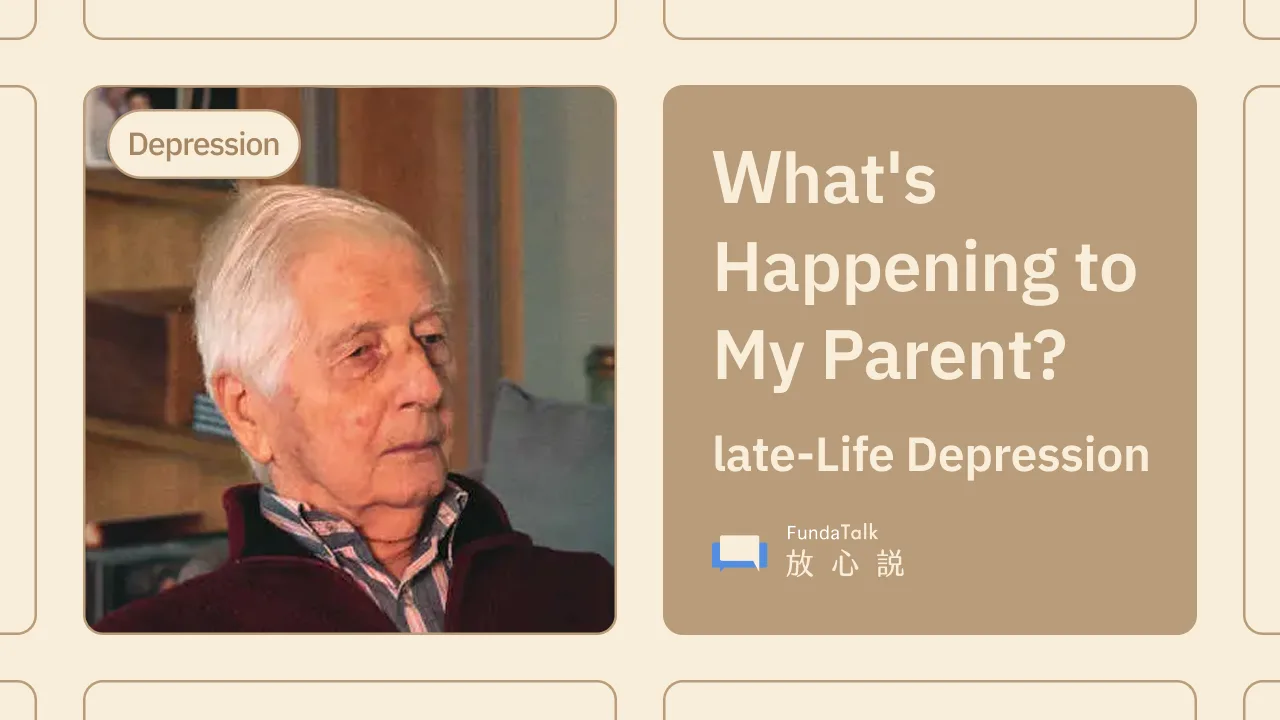
This article will help you understand late-life depression (LLD), including its symptoms, causes, and assessment methods. In addition to introducing medication and non-medication treatment options, we'll also cover long-term care and social resources at the end, helping readers gain comprehensive information to identify and respond effectively.

How to Identify Late-Life Depression
When elderly individuals show significant behavioral changes—such as becoming silent, not going out, refusing to eat, staying in bed for long periods, frequently sighing, or expressing thoughts like "I'm useless" or "life has no meaning"—these may be warning signs of late-life depression.
Late-life depression diagnosis follows the Diagnostic and Statistical Manual of Mental Disorders, Fifth Edition (DSM-5), with the same diagnostic criteria as depression. When the following symptoms appear continuously for more than two weeks, heightened vigilance is needed:
Persistent low mood, feeling hopeless, such as saying "life is meaningless" or "I might as well be dead"
Loss of interest in previously enjoyed activities, such as no longer wanting to watch TV or interact with family
Changes in appetite or weight, especially decreased appetite and weight loss
Chronic sleep problems, or sleeping all day
Noticeably slower movements, or becoming very agitated
Easy fatigue, weakness all day
Feeling useless, guilt toward family, often saying "I'm just a burden to you all"
Difficulty concentrating, declining memory, difficulty making decisions (easily mistaken for dementia)
Suicidal thoughts, like "if only I could fall asleep and not wake up"
Unique Presentations of Late-Life Depression
Compared to younger populations, depression in older adults may be more subtle, often appearing in the following forms:
- Frequently feeling like a burden to family
- Persistent focus on physical discomfort that doctors can't find clear causes for
- Refusing social interaction or going out
- Frequently complaining about declining memory, but not to the degree of dementia
If these behavioral changes persist, early psychological assessment and professional consultation are recommended.
👉 Learn about FundaTalk's online mental health Psychiatrist consultations
Causes of Late-Life Depression
Late-life depression has many causes, generally divided into three categories: biological factors, psychological factors, and social factors. Each can independently or jointly influence and increase depression risk.
1. Biological Factors
Gender is an important factor affecting late-life depression. Research shows that women in old age have a generally higher probability of developing depression than men.
Additionally, chronic diseases such as cardiovascular disease, diabetes, and dementia are highly associated with depression. The physical discomfort caused by these chronic conditions and the stress from long-term treatment often place additional psychological burdens on patients, increasing the risk of depressive symptoms [1][2]. Family members should pay attention.
2. Psychological Factors
On the psychological level, "loss of loved ones" and "subjective feelings about one's health" are two important influencing factors.
After losing relatives or long-term companions, if elderly individuals aren't good at managing emotions, they easily fall into persistent sadness and loss, triggering depressive symptoms—considered one of the important risk sources for late-life depression.
When people "feel physically unwell" or worry about health deterioration, they easily experience low mood and helplessness [1][2].
3. Social Factors
On the social level, as age increases, shrinking social circles may lead to increased loneliness, affecting emotional stability.
Research indicates that elderly individuals with religious faith or more diverse social networks are less likely to develop depression because they more easily obtain social and emotional support. Conversely, those who habitually live alone or have avoidant personality traits face increased potential factors for emotional distress [1][2].
Assessment Methods for Late-Life Depression
The Geriatric Depression Scale (GDS) below is a depression screening tool designed specifically for older adults. Please answer based on your condition over the past week; each question only requires a yes or no answer.
(Answering "yes" scores 1 point; answering "no" scores 0 points. Note that questions 1, 5, 7, 11, and 13 are reverse-scored: answering "no" scores 1 point, answering "yes" scores 0 points.)
- Are you satisfied with your current life?
- Have you reduced many activities or interests you previously enjoyed?
- Do you feel your life is empty?
- Do you often feel bored?
- Are you in good spirits most of the time?
Do you worry that bad things will happen to you? - Do you feel happy most of the time?
- Do you often feel helpless or powerless?
- Would you rather stay home than go out and experience new things?
- Do you feel your memory has declined compared to before?
- Are you grateful to still be alive now?
- Do you feel worthless and useless?
- Do you feel energetic and full of vitality?
- Do you feel your current situation is hopeless?
- Do you think most people are happier than you?
Score Interpretation
Below 7 points: Maintaining good condition; continue cultivating regular lifestyle and social activities.
7–10 points: Needs further attention; psychological counseling or therapy recommended, with appropriate resource connection.
11 points and above: High risk; seek medical attention early and activate medical and related support services [3].
👉 Questions about your score? Consult a professional Psychiatrist immediately
Clinical Treatment: Medication and Non-Medication Combined
Treating late-life depression typically combines medication and non-medication therapy, with both working together. Below are introductions to various treatment methods:
Medication Treatment
Common depression medications include Selective Serotonin Reuptake Inhibitors (SSRI) and Serotonin-Norepinephrine Reuptake Inhibitors (SNRI). These two classes of drugs are the most commonly used antidepressants clinically, adjusting the balance of emotion-related chemicals in the brain to help stabilize mood and restore daily functioning.
Medication treatment typically takes 1–2 weeks to begin showing effects, with full efficacy requiring 6–8 weeks. Treatment duration is generally 3–6 months, with continuation for another 4–9 months after symptom relief recommended to reduce relapse risk. Those with multiple episodes may need longer-term treatment and regular follow-ups.
Early treatment may cause side effects such as nausea, dizziness, headache, palpitations, or gastrointestinal discomfort, most of which gradually diminish over time. Certain medications may cause withdrawal symptoms (like dizziness, insomnia, increased anxiety) when suddenly stopped or self-reduced, so if you need to adjust medication, be sure to discuss with your Psychiatrist—never stop medication on your own to avoid symptom fluctuation.
As treatment progresses, Psychiatrists may also assess whether to conduct psychotherapy, repetitive transcranial magnetic stimulation (rTMS), or other non-medication treatments based on individual circumstances to enhance overall efficacy.
Non-Medication Treatment
Besides medication, non-medication brain treatments can serve as supplementary options for symptom improvement.
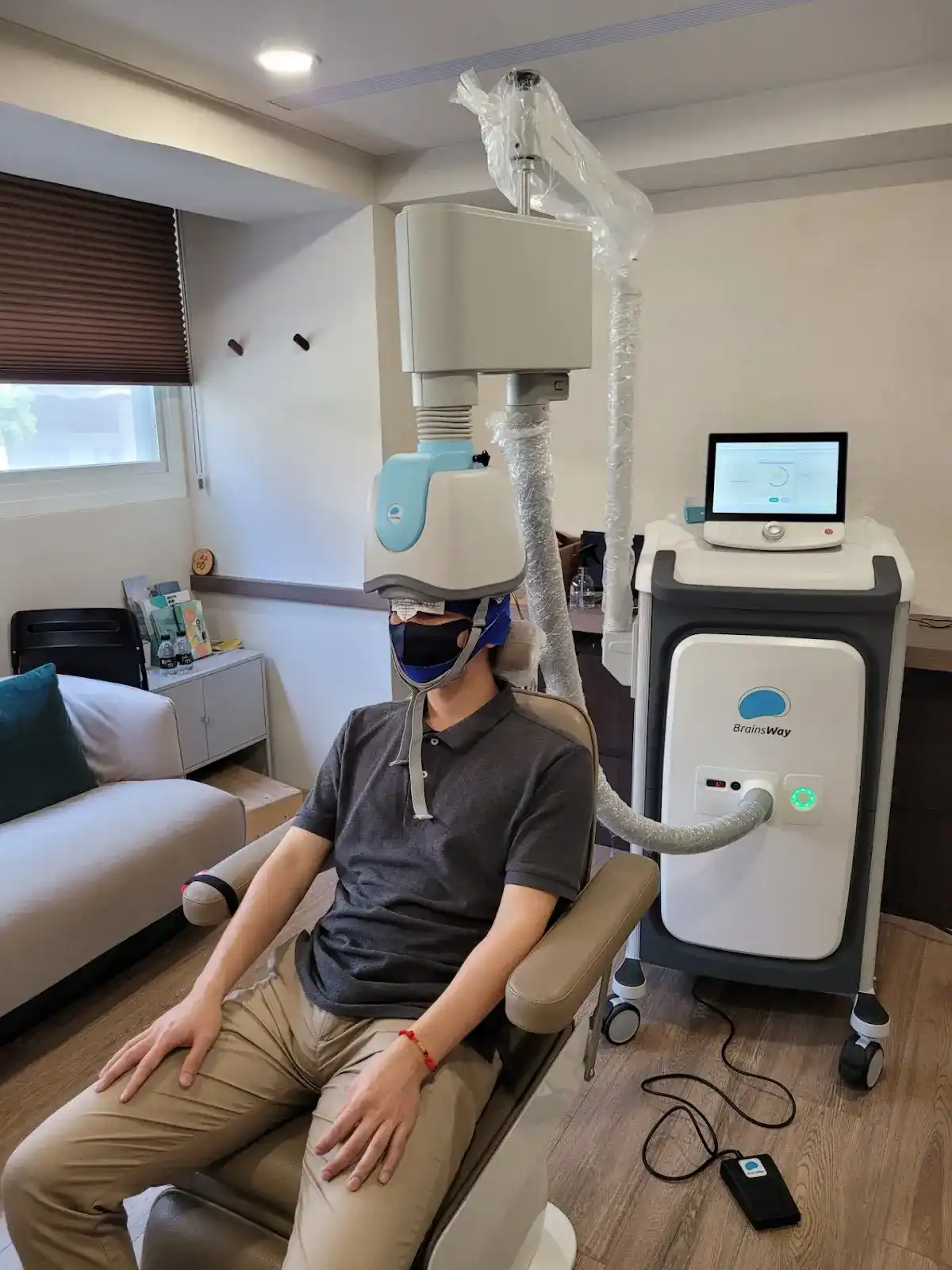
1. Repetitive Transcranial Magnetic Stimulation (rTMS)
Repetitive transcranial magnetic stimulation (rTMS) is a brain stimulation treatment approved by Taiwan's Ministry of Health and Welfare in 2018. The treatment process requires no anesthesia and is non-invasive; patients can return to daily life after treatment—a safe and effective physical brain therapy.
Common side effects include mild scalp pain at the treatment site; a few people may experience brief dizziness or nausea, which usually gradually adapts after treatment. Overall, rTMS has very low physical burden.
According to international clinical data, for depression patients with poor response to two or more medications, rTMS improvement rate is approximately 50%–60%, with about 30% achieving significant relief. Therefore, TMS is particularly suitable as a treatment option for treatment-resistant depression (poor medication response) or cases hoping to reduce medication side effects.
2. Transcranial Photobiomodulation (tPBM)
Transcranial photobiomodulation (tPBM) is also a non-anesthetic, non-invasive brain treatment that uses near-infrared light at specific wavelengths to directly illuminate the head. This light can penetrate the skull and act on brain nerve cells. Research indicates that for patients with major depressive disorder, tPBM is a feasible and well-tolerated treatment method with potential effects for improving sleep quality [4].
👉 Want to learn about non-medication options? Schedule an online Psychiatrist consultation
Long-Term Care and Social Resources
The government has established multiple resources to support late-life depression patients, including community mental health counseling service sites established through cooperation between the Ministry of Health and Welfare and local governments. People can directly call their county or city's "Mental Health Center" for further medical assistance.
Example: Taoyuan Mental Health Center requires individuals to first complete a depression scale, then fax it back to the Mental Health Center, after which staff will help arrange further processing.
Long-Term Care Services and Application Channels
Government-provided long-term care service applicants include: disabled elderly 65 and above, indigenous people 55 and above, people with dementia 50 and above, and people with disabilities who cannot care for themselves.
You can contact your county or city's Long-Term Care Management Center to apply for evaluation. If you meet long-term care service standards and haven't yet used the "Residential Service User Subsidy Program", you can apply for long-term care services.
Available long-term care services are mainly divided into four categories:
- Care and professional services
- Transportation
Assistive devices and barrier-free home environment
improvements
Respite services
People can use the Long-Term Care Service Resource Geographic Map to search for nearby service sites.
Additionally, if you already have a foreign caregiver at home, you can still apply for some long-term care services. For example, foreign caregiver subsidy costs (payment amount is 30% of the long-term care needs level approved amount), transportation services, and assistive device and barrier-free environment assessments. Furthermore, when foreign caregivers take leave, respite services can also be applied for.
There are four application methods; people can choose the convenient channel to contact:
- Call the 1966 hotline (mobile or landline)
- Contact the local Long-Term Care Management Center
- During hospitalization, apply through the "Discharge Preparation Connection to Long-Term Care Service Team"
New Option for Online Consultations
The "FundaTalk" platform operated by Blossom Medical provides online consultations, with a team including psychiatrists and psychologists offering diverse online medical services.
All professionals have received complete online consultation training and possess clinical experience, allowing you to receive the most professional mental health assistance at home.
Conclusion
Late-life depression is often mistaken for normal aging, but it's actually a diagnosable and treatable mental health problem. Through screening tools (like GDS-15), professional treatment, and social resource support, patients' quality of life can significantly improve. Early detection and active intervention help elderly individuals move toward a more secure and dignified later life.
👉 Ready to consult? FundaTalk Psychiatrists are waiting for you online
Author: Dr. Cheng-Ruey Jou

Treatment Areas:
Sleep disorders, depression, bipolar disorder (manic depression), obsessive-compulsive disorder, elderly populations
👉 I want to learn about online consultation with Dr. Cheng-Ruey Jou
Further Reading
- When Family Members Have Mental Illness, What Should You Do? When Should You Take Family to See a Mental Health Specialist? | Family Self-Help Manual + Mental Health Resource Map at a Glance
- Brain Fog & Mental Fog: Meaning, Symptoms, Causes, and How to Test Yourself
References
- Cole, M. G., & Dendukuri, N. (2003). Risk factors for depression among elderly community subjects: A systematic review and meta-analysis. American Journal of Psychiatry, 160(6), 1147–1156. https://doi.org/10.1176/appi.ajp.160.6.1147
- Sekhon, S., Patel, J., & Sapra, A. (2023, June 26). Late-life depression. In StatPearls [Internet]. StatPearls Publishing. https://www.ncbi.nlm.nih.gov/books/NBK551507
- Ministry of Health and Welfare, Department of Mental Health. (June 3, 2024). Geriatric Depression Scale (GDS-15) 15 Questions. Retrieved from https://dep.mohw.gov.tw/DOMHAOH/cp-4912-76813-107.html
- Guu, T.-W., Cassano, P., Li, W.-J., Tseng, Y.-H., Ho, W.-Y., Lin, Y.-T., Lin, S.-Y., Chang, J. P.-C., Mischoulon, D., & Su, K.-P. (2024). Wearable, self-administered transcranial photobiomodulation for major depressive disorder and sleep: A randomized, double blind, sham-controlled trial. Journal of Affective Disorders, 372, 635–642. https://doi.org/10.1016/j.jad.2024.12.065
More Articles
 )
) )
) )
)