Anxious Attachment Style in Relationships: Three Ways It Shows Up When Texting


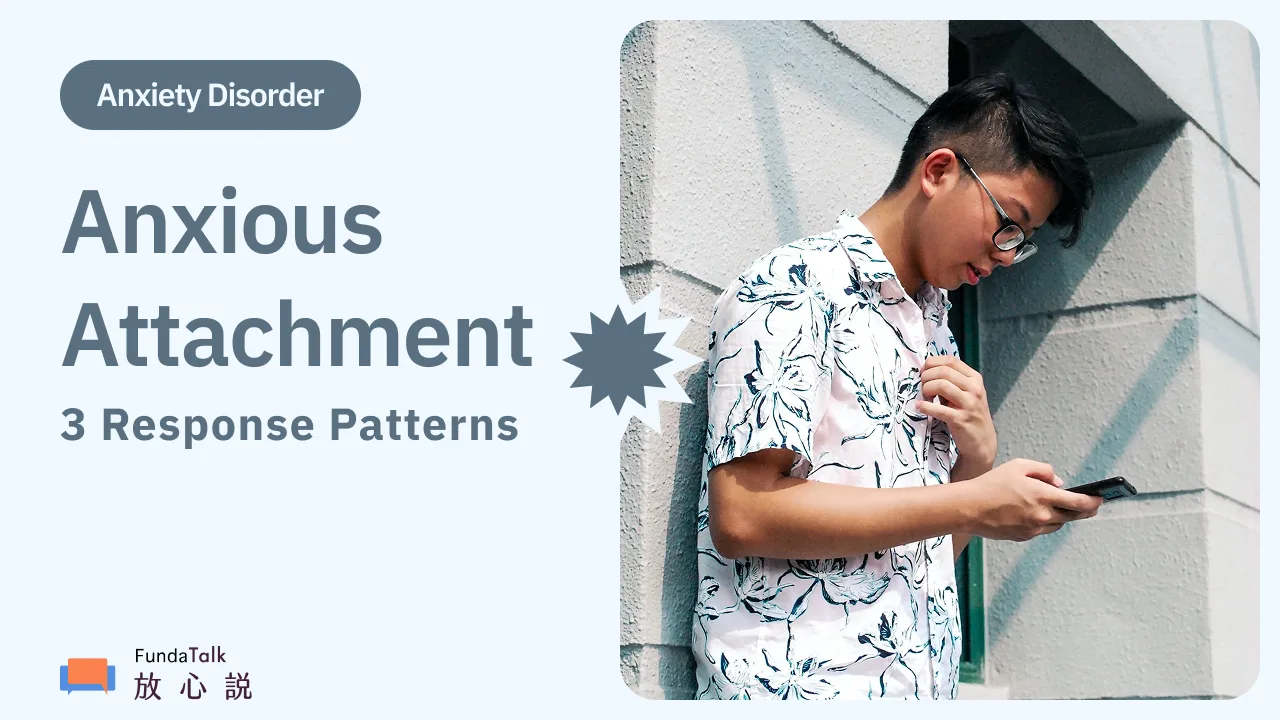
Have you ever stayed up all night because your partner read your message but didn't reply? Or repeatedly checked conversations, guessing which sentence upset them?
In psychology, these states are called anxious attachment, a common attachment style in relationships that differs from avoidant attachment in important ways.
This article will show you three behaviors most commonly displayed by anxiously attached individuals in message exchanges, and the underlying psychological dynamics that often go unnoticed.

1. When Replies Become a Measuring Stick for the Relationship
People with anxious attachment often view message reply frequency as a measuring stick for their relationship. When the other person replies quickly, they feel secure; when replies come later, they begin doubting whether they said something wrong.
This reaction stems from deep-seated insecurity: beyond caring about message content, they're more concerned about whether they're cared for. This anxiety makes them repeatedly check messages, even guessing the other person's current reaction.
Psychologist's Perspective
For anxiously attached individuals, seeing the other person's response provides a moment of temporarily satisfied security needs. Quickly, they may think about how to respond next or what to say. These thoughts may tangle in their minds for a long time, while simultaneously imagining what the other person will think after seeing their message.
If the other person happens not to respond immediately, this gap generates many possibilities in the anxiously attached person's mind, such as: "Was that sentence a bit rude, so they didn't reply?" "Was my question too difficult?" "Are they chatting with someone else simultaneously?"... These thoughts occupy most of their mental space, making it very difficult to shift attention through willpower alone.
The one thing they won't consider is that the person might simply be busy, allowing this matter to temporarily settle.
The cause of the above situation lies in relationship insecurity, often rooted in deep-seated trust issues. The core reasons behind this pattern, which frequently cause individuals to wonder 'why am I so insecure?', are typically:
- A deep sense of not being worthy of love.
- Fear of relationship disruption, including abandonment or rejection.
- Heightened sensitivity to subtle shifts, with a tendency to interpret them negatively.
2. Reading Ten Different Emotions from a Single “Oh”
Many of us who are anxiously attached are really good at reading between the lines. We often pick up on every little thing and end up overthinking even the simplest replies as mixed signals, such as when someone just says ‘oh’ or ‘okay,’ and our mind instantly wonders if they’re upset, distant, or losing interest.
This behavior of excessively observing the other person's reactions is usually related to insecurity in early relationships, making people habitually monitor for danger in small clues. But such interpretations often make the other person feel pressured or misunderstood.
Psychologist's Perspective
Being more sensitive to subtle changes, observing and interpreting received messages with excessive detail, anxiously attached individuals don't enjoy looking for trouble; rather, their built-in alarm system has been activated.
Because in the attachment relationships during their early life stages, the love and responses they perceived were inconsistent and unpredictable (such as frequently changing rules and patterns), their brains learned to predict relationship status from subtle clues.
In the other person's response of a single "oh" or "okay," for anxiously attached individuals, there's a lack of more clues to piece together the possible meaning being conveyed. At this point, the alarm system activates, the more anxious and uneasy they become, the easier it is to predict possible responses along negative thinking patterns.
Interpreting messages as rejection is because this word or conversational context triggered the individual's internal abandonment alarm. Once the alarm sounds, it prompts the anxiously attached person to immediately enter a highly anxious state, necessitating action to repair or confirm the relationship, such as sending follow-up messages, pressing for answers, or becoming upset.
3. Testing the Relationship by Flooding with Messages or Going Cold
When the other person doesn't reply to messages, anxiously attached individuals often display two completely different reactions: one is actively approaching, the other is deliberately distancing.
Some people, under feelings of insecurity, can't help but flood the other person with messages, often falling into compulsive patterns of double texting to seek certainty through frequent messaging. This urgent reaction is driven by the internal instinct of fearing abandonment, reflecting the inner expectation of being seen.
However, excessive closeness often causes the other person to retreat further due to feeling pressured, creating a pursue-withdraw dynamic.
Others deliberately act cold, reply late, or even disappear for a few days. On the surface, it seems like revenge; in reality, it's an "emotional test": wanting to know whether the other person will still actively seek them out when they don't appear. But such interactions instead make relationships tense.
Psychologist's Perspective
Although the above two reactions (one approaching, one distancing) seem contradictory, their core motivation and purpose are completely consistent. By triggering interaction with the other person, they re-confirm the relationship connection to repair the internal turbulent imbalance. This is also a coping mechanism anxiously attached individuals use to try to control the uncontrollable fear they're trapped in.
But in long-term relationship interactions, both methods bring damage to the relationship, and anxiously attached individuals ultimately return to their original anxiety point.
To have genuine security and stability in relationship interactions requires first returning to oneself, starting from recognizing and understanding your internal driving patterns in interactions, such as codependency or extreme emotional dependency, and what you expect to gain behind them, and learning to:
- Distinguish objective facts from subjective interpretations
- Challenge internal automatic thinking
- Build your own internal sense of security
- Practice healthier communication methods
Conclusion: Learning to Relax When the Other Person Doesn't Reply
People with anxious attachment seem to be expressing love, but are actually afraid of losing.
They crave relationships yet continuously get hurt within them. Learning to stay grounded when messages go unanswered or are left on read is one of the most mature strengths in relationships.
When you can still believe you're worthy of love even when the other person hasn't yet replied, anxious attachment begins transforming into a sense of ease.
You can ask yourself:
"If I no longer judge the degree of being loved by the other person's reply speed, what other ways can I use to feel secure?"
This question may be the starting point for moving beyond message anxiety.
If you recognize these patterns in yourself, exploring the difference between your anxious attachment style and what a more secure attachment might feel like is a good place to start.
Author: Psychologist Chen Jou-An

Further Reading
- Four Changes in Marital Relationships After a Child Is Born: Why Do We Start Fighting? Parenting Stress Is High—How Can We Get Close Again?
- Do I Need Counseling? Does Counseling Really Work? Pricing, Free Resources, and Recommended Online Platforms at a Glance
- What Is Social Anxiety Disorder? Meaning, Symptoms, Causes, Self-Test, and Treatment Options
- Lunar New Year Stress for Married Women: 6 Ways to Handle In-Law Pressure, Boundaries, and Holiday Anxiety
More Articles
 )
) )
) )
)