Can't Fall Asleep? Insomnia Symptoms, Self-Assessment, Sleep-Promoting Foods, and Non-Medication Treatments at a Glance


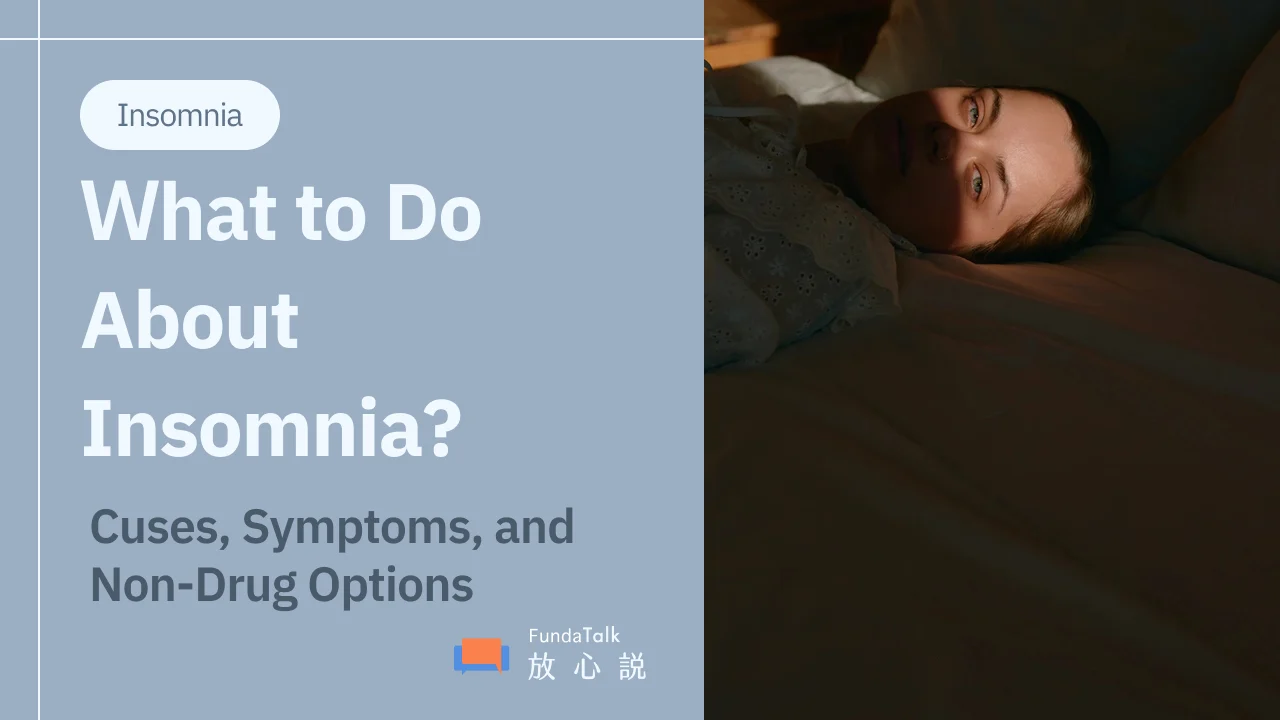
Mind racing but can't fall asleep? Obviously exhausted but no sleepiness? If these situations repeatedly occur, insomnia may be affecting your life.
This article will help you understand:
- What is insomnia?
- What are insomnia symptoms?
- Insomnia self-assessment
- Why does insomnia occur?
- What treatment methods are available for insomnia?
- What non-medication treatment options exist for insomnia?
- What foods help with sleep?
The first step to improving insomnia

What Is Insomnia?
People commonly refer to various sleep problems as insomnia, including not only difficulty falling asleep or poor sleep quality but also conditions like sleep apnea, restless leg syndrome, and parasomnias.
Medically, insomnia refers to: under conditions with adequate sleep opportunities (such as timing, environment, lighting), still repeatedly experiencing difficulty falling asleep, easy awakening, or early waking.
Clinically, we classify insomnia into three categories based on duration and degree of impact: acute, short-term, and chronic:
- Acute Insomnia: Lasts several days to weeks, mostly caused by life stressors such as exams, job changes, or interpersonal problems.
- Short-term Insomnia: Lasts several weeks to three months. Causes may be more complex, requiring deeper assessment.
- Chronic Insomnia: Sleep difficulties occurring at least three days per week for over three months. This type of insomnia is often related to underlying physical or mental illnesses.
Generally, acute and short-term insomnia gradually improve as stressors are resolved. But if poor sleep persists over three months, consulting a mental health psychiatrist as soon as possible is recommended.
Besides a Racing Mind, What Other Insomnia Symptoms Exist?
To determine insomnia severity, besides observing sleep quality, we must observe whether daytime functioning is affected.
Insomnia primarily includes one of the following three situations:
- Difficulty falling asleep (still unable to sleep after 30+ minutes)
- Easy awakening
Waking too early and unable to fall back asleep
These three are core insomnia symptoms, with varying degrees of impact. Common manifestations include [1]:
1. Daytime Performance
- Drowsiness or fatigue
- Decreased physical strength, lacking vitality
- Muscle soreness, headaches, or gastrointestinal discomfort
2. Emotional and Psychological Responses
- Irritability, large mood swings
- Anxiety, high stress
- Racing mind
3. Cognitive and Work/Study Performance
- Poor concentration
- Decreased memory
- Reduced work or study efficiency
4. Sleep-Related States
- Irregular sleep schedule
- Excessively long naps
- Spending too much time in bed
Excessive worry about being unable to sleep
If these symptoms occur three or more times weekly, persist over three months, and already affect daily life, they may meet insomnia diagnostic criteria.
Insomnia Self-Assessment Table
You can preliminarily examine your sleep condition through the following questions:

Why Does Insomnia Occur?
Insomnia typically has multiple causes. Below we'll examine physiological and psychological aspects:
Physiological Level
Irregular routines, blue light or short video stimulation before bed, caffeine or alcohol intake, nicotine, and poor sleep environment (such as noise, excessive light, inappropriate temperature, excessive humidity) can all interfere with sleep.
Additionally, other sleep disorders (such as sleep apnea, restless leg syndrome), substance use (such as drinking, smoking, drug use), or physiological diseases (such as chronic pain, hyperthyroidism) are often partial causes of insomnia.
Psychological Level
Stress and emotions are the main psychological factors causing insomnia. Among them, stress and anxiety cause brain fatigue, intensifying difficulty falling asleep.
Stress: When stressed, adrenal glands secrete cortisol, keeping people alert—useful during the day, but if still feeling stressed before sleep with high cortisol levels, difficulty falling asleep easily occurs.
Emotions: Anxiety often makes the brain repeatedly focus on possible threats and risks, making relaxation difficult; depression may cause prolonged low mood, affecting the state between wakefulness and rest. Individuals with emotional difficulties easily fall into a cycle: depression, anxiety → decreased sleep quality → more anxiety → worsening insomnia.
Therefore, understanding insomnia causes is the first step in treating insomnia.
What Are Insomnia Solutions and Treatment Methods?
If attempting to adjust your routine isn't effective, consider consulting a mental health psychiatrist.
Doctors will first clarify causes through medical history inquiry and physical examination, and can also use tools like self-paid sleep testing to confirm comorbid conditions like sleep apnea. Sometimes blood tests check thyroid and endocrine function—all these tests aim to clarify insomnia's influencing factors.
Regarding treatment, acute insomnia typically doesn't require medication—you can first self-adjust or use cognitive behavioral therapy (CBT) and medication treatment to adjust incorrect sleep beliefs and behaviors, change lifestyle and environment, and terminate vicious cycles.
Additionally, for long-term insomnia, besides medication treatment, greater emphasis should be placed on psychological counseling to clarify internal mental stressors (such as emotional issues, personal adaptation, and self-exploration), emotional dysregulation (such as depression, anxiety disorders, bipolar disorder), or other physiological diseases.

What Non-Medication Treatment Options Exist?
Many non-medication therapies are gradually being proven effective, including mindfulness practice, light therapy, and even non-invasive brain stimulation therapy. Among them, transcranial photobiomodulation (tPBM) and repetitive transcranial magnetic stimulation (rTMS) have become options receiving attention in recent years.
tPBM Photobiomodulation Therapy
tPBM stimulates the brain through light energy, thereby enhancing brain metabolism, blood flow, and clearance system function, with potential to improve sleep.
Research found that after receiving three tPBM sessions, chronic insomnia sufferers generally felt they slept better, with reduced daytime sleepiness. Meanwhile, brain activity that was relatively unstable in the insomnia state showed changes approaching normal. Overall, tPBM is considered a relatively safe approach with development potential [2].

rTMS Transcranial Magnetic Stimulation
rTMS stimulates specific brain regions through magnetic fields to activate the brain and improve mood. For individuals with insomnia caused by anxiety or depression, rTMS can improve emotional state, thereby enhancing sleep quality.
A 2023 Taiwan randomized controlled trial found that when low-frequency rTMS was applied to insomnia individuals, it could improve sleep efficiency and reduce nighttime awakening time [3].
Although more research is still needed, rTMS provides a new possibility to help individuals with emotional difficulties and insomnia.
👉 Schedule online mental health psychiatrist: Consult about rTMS transcranial magnetic stimulation

For insomnia caused by emotional problems like anxiety and depression, rTMS can enhance sleep quality by improving emotions; while tPBM can serve as another non-invasive treatment choice with different mechanisms of action from rTMS—tPBM may have unique advantages in improving mitochondrial function and regulating brain blood flow and waste clearance.
What Foods Can Help with Sleep?
To improve sleep, besides adjusting routines, you can also start with daily diet.
Fundatalk's editorial team has organized several scientifically supported dietary strategies. Although each person's constitution differs and effects vary, all are worth trying:
Try Mediterranean Diet:
The Mediterranean diet features vegetables, fruits, whole grains, legumes, nuts, olive oil, and fish, effectively reducing body inflammation. A 2024 study covering 23 observational studies showed people following a Mediterranean diet were less prone to insomnia—research speculates mechanisms may relate to anti-inflammatory responses [6].
Moderate Carbohydrates
Research indicates eating easily digestible carbohydrates 3-4 hours before bed, like grains or small amounts of honey, may help tryptophan more smoothly enter the brain, promoting sleep-related hormone production, helping people fall asleep faster [5].
A 2022 review reached similar results, but research also showed this approach's effects on different sleep stages were inconsistent—for example, some studies found deep sleep proportion might decrease. Overall, this method is more suitable for those undergoing dietary control who easily feel hungry before bed. Still need to note it may not improve deep sleep quality [8].
Supplement Magnesium
Magnesium is an important nutrient helping nerves relax. A 2021 study indicated magnesium supplementation helps fall asleep faster—averaging 17 minutes faster—although sleep duration didn't significantly lengthen, it still helps alleviate difficulty falling asleep [7].
Readers whose regular diets lack dark green vegetables, nuts, or whole grains can try supplementing magnesium as support.
Try Kiwifruit
Kiwifruit contains serotonin precursors, antioxidants, and elements like potassium and magnesium. A 2011 small RCT study (adults with self-perceived sleep difficulties, eating 2 kiwifruits 1 hour before bed for 4 consecutive weeks) showed kiwifruit supplementation reduced sleep onset latency by 35% and increased total sleep duration by 13%—research speculates mechanisms may relate to serotonin pathways.
Must note this is a small sample study—effects may vary by individual. Also, kiwifruit allergies are actually not uncommon—readers wanting to try should also pay attention to their constitution [5].
Supplement Melatonin Nutrition Products
Melatonin is a hormone helping the body perceive "it's time to sleep now," particularly important for regulating sleep rhythms. If you frequently have reversed day-night schedules, jet lag difficulties, or want to further understand supplementation, refer to
this extended article: Using Melatonin for Insomnia? Common Myths, Side Effects, Purchase and Usage Guide
The First Step to Improving Insomnia
Besides starting with the above dietary habits, you can also begin by keeping a sleep diary, including:
- Time falling asleep
- Time waking up
- Number of nighttime awakenings
Daytime mental state
This diary not only helps you more clearly understand your sleep patterns but can also become important reference material for psychiatrist judgment when seeking professional help.
Conclusion
Most insomnia isn't incurable. Through correct cognition, effective medication/non-medication treatment, and seeking professional help when necessary, you can gradually regain healthy sleep and reclaim a vibrant life.
Extended reading: Using Melatonin for Insomnia? Common Myths, Side Effects, Purchase and Usage Guide
Author: Dr. Wan-Hsi Chien

Treatment Areas:
Sleep disorders, anxiety disorders, depression, addiction disorders, LGBTQ+ populations
👉 I want to learn about online mental health consultation with Dr. Wan-Hsi Chien
More Articles
 )
) )
) )
)