Nine Years in the US: Finding Cultural Balance | Personal Story of Life Abroad: From Language Barriers and Culture Shock to Gradual Adaptation and Growth

From Taiwan to the United States and back to Asia, Xiaoting’s nine-year American journey is a story filled with challenges and growth.
She majored in civil engineering as an undergraduate in the US, later pursued a master’s in data science, and now works as a multidisciplinary teacher at a prestigious institution in Shanghai. As a Taiwanese woman fluent in English, she set out with aspirations about American culture, yet experienced the transformation from culture shock to comfortable living in a foreign land.
This article presents her overseas adaptation journey from her perspective.
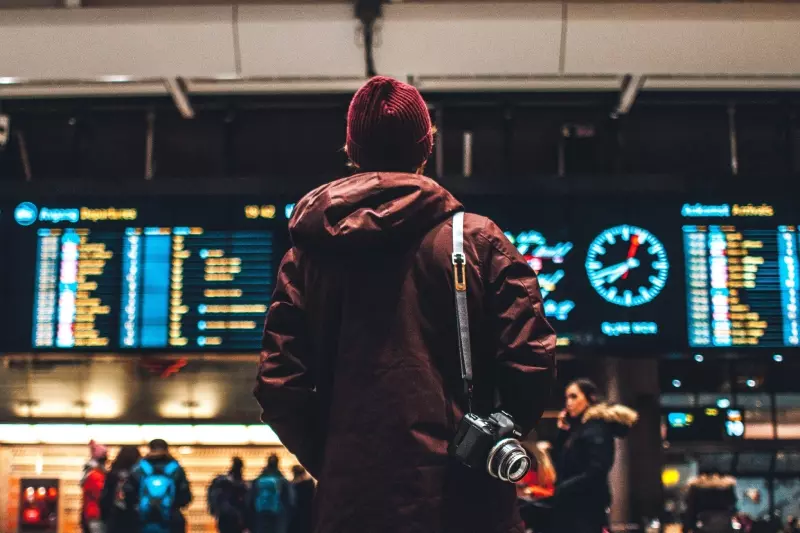

Pre-Departure Expectations: Exploration and Integration
Xiaoting recalls that her decision to go to America stemmed from curiosity about that land’s openness and diversity.
“I had just graduated high school and felt America was a place where I could challenge myself,” she says with a smile. “Plus, my English was good, so I thought language wouldn’t be a problem—I wanted to see if I could fit in.”
For her, this journey wasn’t just an academic extension but an exploration of a different culture. “I hoped to fully integrate into American culture, experience their lifestyle, and expand my horizons and possibilities. Of course, reality and imagination always have gaps.”
However, reality proved more complex than imagined. Upon arriving in America, Xiaoting moved into a homestay family and felt cultural differences from the very first meal. “The hostess was very warm, but after eating she’d wait for me to compliment her cooking and expected me to push my chair back in so others could walk by,” she explains. “Taiwanese family dinners aren’t that formal. When I didn’t do these things, she gave me strange looks.”
These subtle expectations left her somewhat flustered, forcing her to adapt by learning to say “Thank you, that was delicious!”
“Overall, Americans pay more attention to etiquette and others’ feelings than I imagined. In the beginning, I often felt embarrassed because I didn’t understand these unwritten rules.”
Language Fluency Doesn’t Equal Seamless Communication
Language was also a major adaptation challenge. Although Xiaoting’s English proficiency was strong, Americans’ everyday expressions still gave her trouble.
“Teachers would often say ‘I wouldn’t worry about it,’ and I’d seriously ask ‘Why not?’—everyone laughed,” she recalls. “Turns out it was just casual reassurance. You can’t learn these usages from textbooks.” These details could only be picked up gradually through daily life.
Social situations proved even trickier. “Once at a school gathering, everyone was discussing American football and pop bands—I couldn’t contribute at all,” Xiaoting admits. “Even though I was fluent in English, these ‘local references’ made me feel like an outsider.” This prompted her to proactively learn about local culture, watching American football games and listening to popular music. “I didn’t necessarily love it, but at least I could chat about it.”
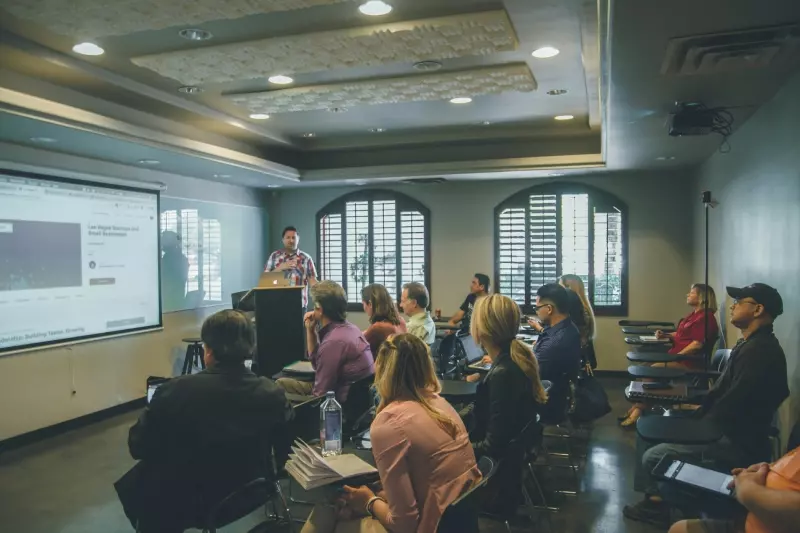
Workplace communication also required adjustment. “America is very formal—you need to use ‘Mr.’ or ‘Ms.,’ and email wording must be careful,” Xiaoting says. “During my internship, colleagues were very direct with their opinions, quite different from Taiwan’s subtlety. I had to learn to be more straightforward.” These experiences helped her gradually adapt to America’s direct communication style.
Differences and Adaptation in Interpersonal Interaction
American interpersonal interactions also left a strong impression on Xiaoting.
“They really value respect—when first meeting, they ask your name and use it when addressing you,” she says. “They rarely criticize appearance publicly, which I really appreciate.” However, she also experienced moments of “cold treatment.” “When going out with friends, others would often only talk to American locals, ignoring me. I had to actively join conversations, or else I felt invisible.” These experiences forced her to become more proactive.
Dietary Adjustment
Regarding food, Xiaoting adapted quite quickly. “American food was novel at first, then became as routine as braised pork rice,” she laughs. “But after about three months, I started missing Taiwanese flavors, especially my mom’s home cooking.”
To recapture familiar tastes, she often cooked for herself—braised pork and blanched vegetables became her comfort in a foreign land. “Fortunately, the city I lived in had many Asian supermarkets where I could buy soy sauce, tofu, kimchi, and other ingredients. On weekends, I’d cook with Taiwanese classmates—both to ease homesickness and strengthen bonds. Over time, my diet became a blend of American and Taiwanese styles, which probably reflected my cultural identity too.”
Finding Social and Emotional Support
“It was definitely lonely at first.” Xiaoting’s voice lowered slightly. “But I gradually learned to proactively participate in activities that interested me.” To build a social circle in America, Xiaoting relied on school clubs and community activities.
“I joined the Taiwanese student association and also a local running group,” she says. “Being proactive is important—like asking people what they did over the weekend. They’re usually happy to chat.” She also maintained connections with the Chinese-speaking community, visiting local churches or student associations. “But I didn’t limit myself to just that.”

Psychological Adjustment: Walking and Talking
Facing cultural adaptation stress, Xiaoting had her own methods.
“I didn’t force myself to fit in immediately—I just went with the flow,” she says. “When stressed, I liked to walk. America has many large parks—very therapeutic.” Talking also helped immensely. “Chatting online with Taiwan friends or using school psychological counseling services gave me breathing room.”
Developing “cultural sensitivity” required balance. “At first, I hung out mostly with Chinese speakers to find security, then gradually engaged with other cultures,” Xiaoting shares. “Americans love small talk, so I learned to chat about the weather or movies to reduce awkwardness.”
Cultural Adaptation and Integration
“It’s an art of balance.” Xiaoting smiles. “Sometimes I felt an identity tug-of-war—speaking Chinese with other Chinese speakers felt natural, but I also worried this might distance me from people from other countries. Over time, I realized I didn’t need to be so fixated on ‘either/or.’ Staying flexible and going with the flow worked best.”
When did she start feeling “integrated”? Xiaoting believes it was her third year.
“I could joke with friends without deliberately thinking about how to respond,” she says. “Once while waiting in line at the supermarket, someone casually chatted with me about the weather, and I naturally continued the conversation—that’s when I realized I’d truly relaxed.” When she could discuss American bands and even drop some trivia, that “outsider” feeling finally faded.
“Don’t rush to fit in—give yourself time and space. Observation and asking questions are key.” Xiaoting says seriously. “When uncertain about a social rule, I’d first observe how others behaved or politely ask directly. Most Americans are very open to explaining their cultural practices.”
“Also, appropriately adjusting the ratio of engaging with foreign versus your own culture helps find balance.
Initially, I video-called my Taiwan family every night; later the frequency decreased but quality improved. When feeling exhausted or stressed, I’d intentionally meet with Chinese-speaking friends, speak Chinese, eat hometown food—these were great spiritual comforts.”
Regarding cultural adaptation counseling, “It helped tremendously!” Xiaoting affirms. “Especially when encountering issues I couldn’t comfortably discuss with friends around me. I once used psychological counseling services provided by school, speaking with a counselor who understood cross-cultural issues. She gave me many practical suggestions.”
“Now there are also many online communities for overseas populations where people can share experiences and resources. Knowing you’re not alone and can exchange with people having similar experiences is itself a form of support.”
Xiaoting’s Conclusion: Just Enjoy the Process
Would going abroad at different life stages create different experiences? “Definitely,” Xiaoting nods. “Going to America before twenty, I had drive and wanted to try everything, but also struggled more with identity issues. If I went now at thirty, I’d probably worry more about practical matters like visa status and finances.” Over time, her views on American culture changed too. “I identify with their politeness, friendliness, and principles, but there are also parts I don’t agree with.”
Reflecting on these nine years, Xiaoting says: “I’m grateful I took this journey. Even if I’d known about these challenges beforehand—the homestay awkwardness or moments of being ignored—I’d still do it, because these experiences taught me more respect and openness. If I could do it over, I’d just wish to enjoy the process more and not rush to prove myself.”
Conclusion
Cultural adaptation is a journey both personal and universal. From Xiaoting’s story, we see common experiences shared by many living abroad—those homesick nights, uncertainty in social situations, efforts to find balance between two cultures.
Research tells us these are normal parts of the adaptation process. We need time to understand new environments while preserving our cultural roots. Adaptation isn’t wholesale acceptance or rejection but finding a lifestyle that suits you.
To every friend living abroad: your discomfort is normal, your attempts are brave. Give yourself time, allow yourself to occasionally feel homesick, and celebrate every step of progress. There’s no standard adaptation model—only the rhythm that works best for you.
In this process, stay open without losing yourself, embrace new culture while cherishing your roots. This experience will ultimately become a unique and precious part of your life, making you a richer, more empathetic person.
👉 Want to talk to someone and sort through your feelings? Click here to schedule an online therapist
Special Notice
This interview was conducted with the interviewee’s consent and authorization for publication on this website. To protect personal privacy, content has been partially adjusted and adapted, with certain background details appropriately modified to prevent actual identification. Please read with confidence.
More Articles
 )
) )
) )
)