Did You Know You Have the Right to “Not Reply to Messages”? 4 Strategies for Managing Text Anxiety and Learning to Set Boundaries for Self-Care


Did you know you have the right to choose “not to reply to messages”?
Have you ever experienced moments like this: clearly exhausted physically and mentally, yet still forcing yourself to open your phone, struggling to maintain “proper etiquette” by responding to every message?
In the era of instant messaging, prompt replies seem to have become an unwritten rule—the faster you respond, the more polite and responsible you appear. However, this “text message anxiety” quietly weighs on our shoulders, robbing us of the capacity to genuinely interact with others.
In truth, everyone has the right to choose to “temporarily not reply to messages.” We deserve this space and freedom. Let’s understand together where this anxiety comes from and how to find balance.

Why Do We Feel Anxious About “Not Replying to Messages”?
Message anxiety isn’t simply caused by the messages themselves but results from multiple overlapping pressures.
We play many roles daily—employees, parents, children, friends—each identity potentially bringing different social expectations. When a day’s work leaves us exhausted, having to squeeze in message replies between commuting, housework, and self-care truly feels overwhelming.
However, in East Asian societies, interpersonal interaction is often viewed as the foundation of relationships, and replying to messages is no exception. This expectation makes us anxious the moment a message notification sounds, creating worry about “being misunderstood as cold or rude,” fearing that delayed replies will damage relationships or professional image.
Additionally, for those already prone to social anxiety, every message may become a question requiring careful answering. Each message can trigger a series of worries: “How should I reply without seeming weird?” “Will this response seem too boring?” “Will they think I’m uninteresting?” This over-analysis often transforms simple replies into time-consuming and painful processes.

Simply Put, Our Anxiety Often Stems from These Four Overlapping Sources:
- Message overload
- Multiple roles and responsibilities
- Interpersonal expectations in culture
- Self-doubt and social anxiety
These pressures accumulate day by day, gradually depleting our psychological energy, forming a type of chronic “psychological debt” that makes it increasingly difficult to approach messages with a natural mindset.
How Can We Address “Text Reply Anxiety”?
Understanding stress sources is the first step out of anxiety.
Next, let’s start from four common pressure points and explore more effective response methods.
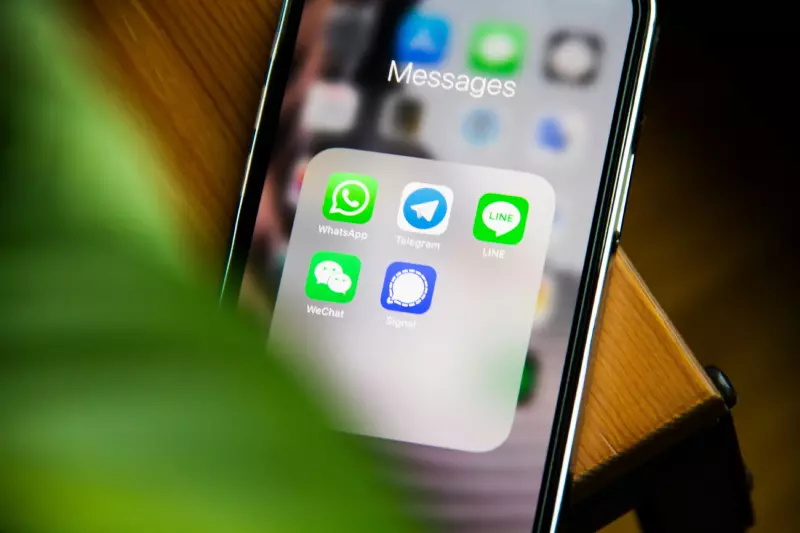
1. Establish Message Processing Rules to Reduce Overload Anxiety
When messages flood in like water, what’s needed most isn’t “toughing it out” but learning to set boundaries for yourself.
You can consider setting fixed “message processing time slots” each day, such as after lunch or before leaving work. This prevents messages from interrupting your entire day while improving response quality. During work or focus periods, you can enable “Do Not Disturb” mode, preserving some quiet time with yourself.
With close friends or colleagues, you can also practice briefly explaining your situation, such as: “I’m busy right now, I’ll reply later.” This communication reassures others while reducing your burden.
When you’re truly exhausted, allowing yourself a “social vacation” is also a necessary form of recovery. Starting with the simplest messages and gradually finding your rhythm can prevent anxiety from leading to further message avoidance.
Pause and ask yourself: “How much is left in my social battery right now?”
If it’s already depleted, give yourself a clear rest period, then reconnect after recovering.
2. Accept Role Fatigue and Adjust Social Priorities
We’re not always in peak condition.
Sometimes, what’s exhausted isn’t just the body but also the mind and emotions. When you feel your social energy has bottomed out, try telling yourself: “Needing rest right now doesn’t mean I don’t care about others.”
Try recalling:
- When was the last time you felt socially exhausted?
- How did you handle it? Did you force yourself to reply, or did you give yourself breathing room?
- Which choice was better for your physical and mental health?

3. Honestly Communicate Your Life Rhythm to Balance Cultural Pressure
Indeed, East Asian culture emphasizes responsiveness and courtesy, but this doesn’t mean we must suppress our needs. The key lies in “clear communication.”
If you’re busy during the day, you can tell friends in advance: “I’m quite busy on weekdays, I’ll reply later.” Or simply send a message: “I saw this, let’s chat more later~” These gentle yet clear reminders both protect your space and show respect to others.
Going further, you can also be honest: “I’m under more pressure lately, I might reply slowly, please understand.” Such sharing can actually make relationships more genuine and help those who care about you understand you’re not distancing yourself but need self-care.
4. Accept Your Anxiety and Learn to Use “Good Enough” as the Standard
Stop and think:
- When you don’t immediately reply to messages, what worries you most internally?
- Are you afraid others will think you don’t value the relationship?
- Are you worried about being labeled rude for “reading without replying”?
- Or concerned that your reply won’t be good enough, giving others a negative impression?
These worries often stem from insecurity about relationships and excessive self-demands. If you find yourself frequently caught in such anxiety, please remember: perfect replies don’t exist—authenticity is more powerful than perfection.
You can practice setting a “reply time limit”—for example, spending only two minutes thinking to avoid excessive deliberation. You can also try accepting a “good enough is enough” mindset, making your standards more humane.
Research shows that showing vulnerability can also strengthen relationships. If you share this anxiety with close friends, they may actually understand you better and even be willing to adjust your interaction rhythm.

Summary: In the Message Flood, Reclaim Your Agency
In this always-online society, “not replying to messages” doesn’t equal irresponsibility but rather gentle care for your emotions and energy.
When we’re willing to honestly face our state and communicate our boundaries with others, we’re more likely to build relationships based on genuine mutual understanding and respect.
Please remind yourself: you have the right to respond to this world at your own pace. This is a form of self-protection and respect for truly important relationships—because only when you truly care for yourself do you have the capacity to respond to this world and engage in higher-quality interpersonal interactions.
Finally, we invite you to spend a minute thinking:
What kind of message boundaries are you willing to set for yourself? What small steps can you start implementing today to help you reclaim the freedom of “it’s okay not to reply”?
👉 Want to talk to someone and sort through your feelings? Click here to schedule an online therapist
References
- Barley, S. R., Meyerson, D. E., & Grodal, S. (2011). Email as a source and symbol of stress. Organization Science, 22(4), 887-906.
- Cloud, H., & Townsend, J. (2017). Boundaries: When to say yes, how to say no to take control of your life. Zondervan.
- Hwang, K. K. (2012). Foundations of Chinese psychology: Confucian social relations. Springer Science & Business Media.
- Kim, Y., & Lee, J. H. (2021). Digital burnout: The dark side of digital transformation. Journal of Business Research, 132, 139-151.
- Reinke, K., & Chamorro-Premuzic, T. (2014). When email use gets out of control: Understanding the relationship between personality and email overload and their impact on burnout and work engagement. Computers in Human Behavior, 36, 502-509.
More Articles
 )
) )
) )
)